Water that produces responsibly
Publicado em 11 de maio de 2026
At Agrícola Famosa, water management is treated as a strategic asset. It sustains production efficiency, preserves the resources of the regions where the company operates, and ensures that every piece of fruit reaches the market with the quality and consistency that international retail demands.
In a context of growing global pressure on water resources, the size and scale of an operation like Famosa's impose responsibilities that go beyond legal compliance. Every irrigation decision is made to balance productivity, quality and conservation — from the field to the river basins that sustain the communities where the company operates.
━━━━━━━━━━━━━━━━━━━━━━━━━━
Localized irrigation: precision as standard
━━━━━━━━━━━━━━━━━━━━━━━━━━
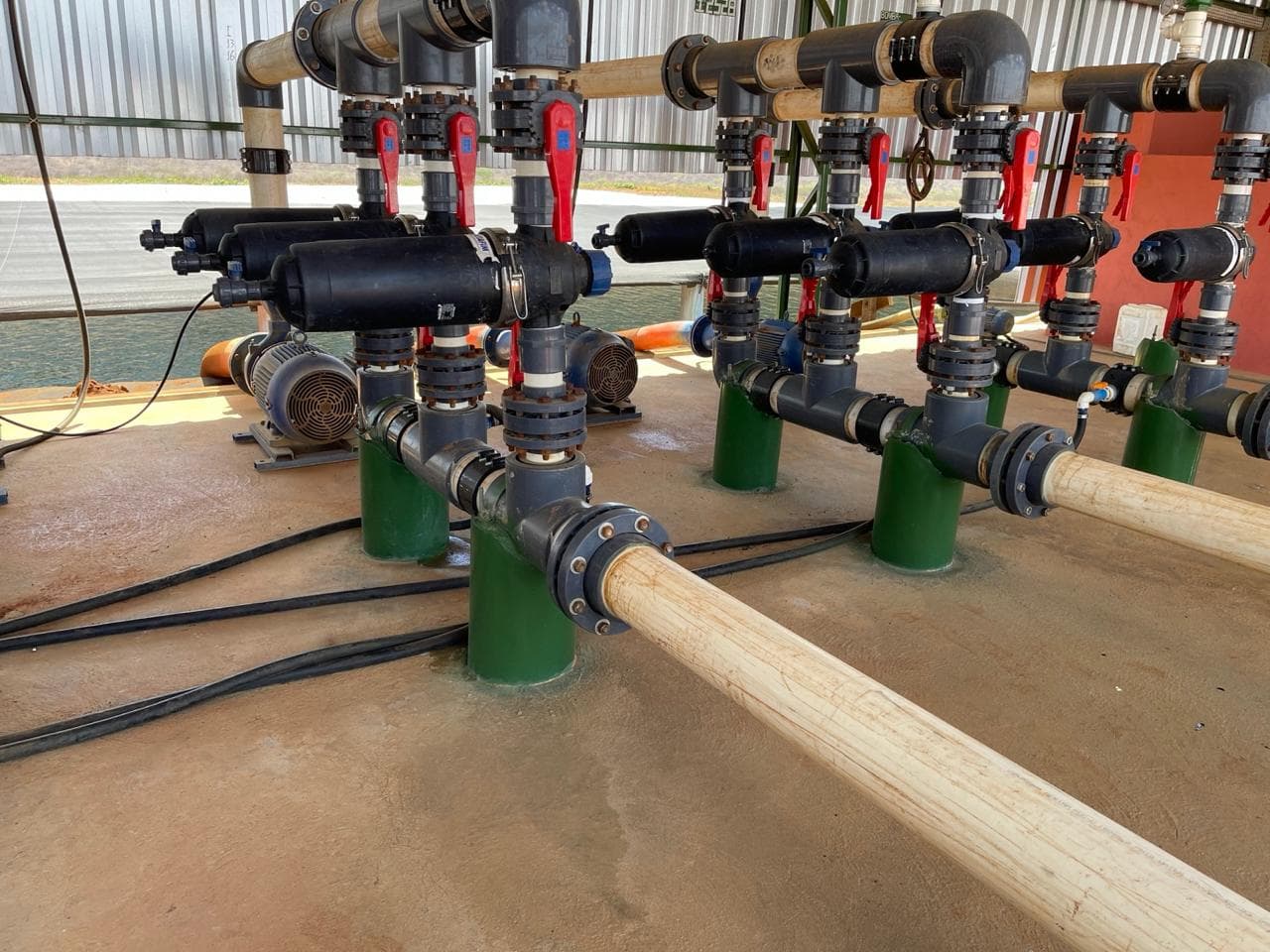
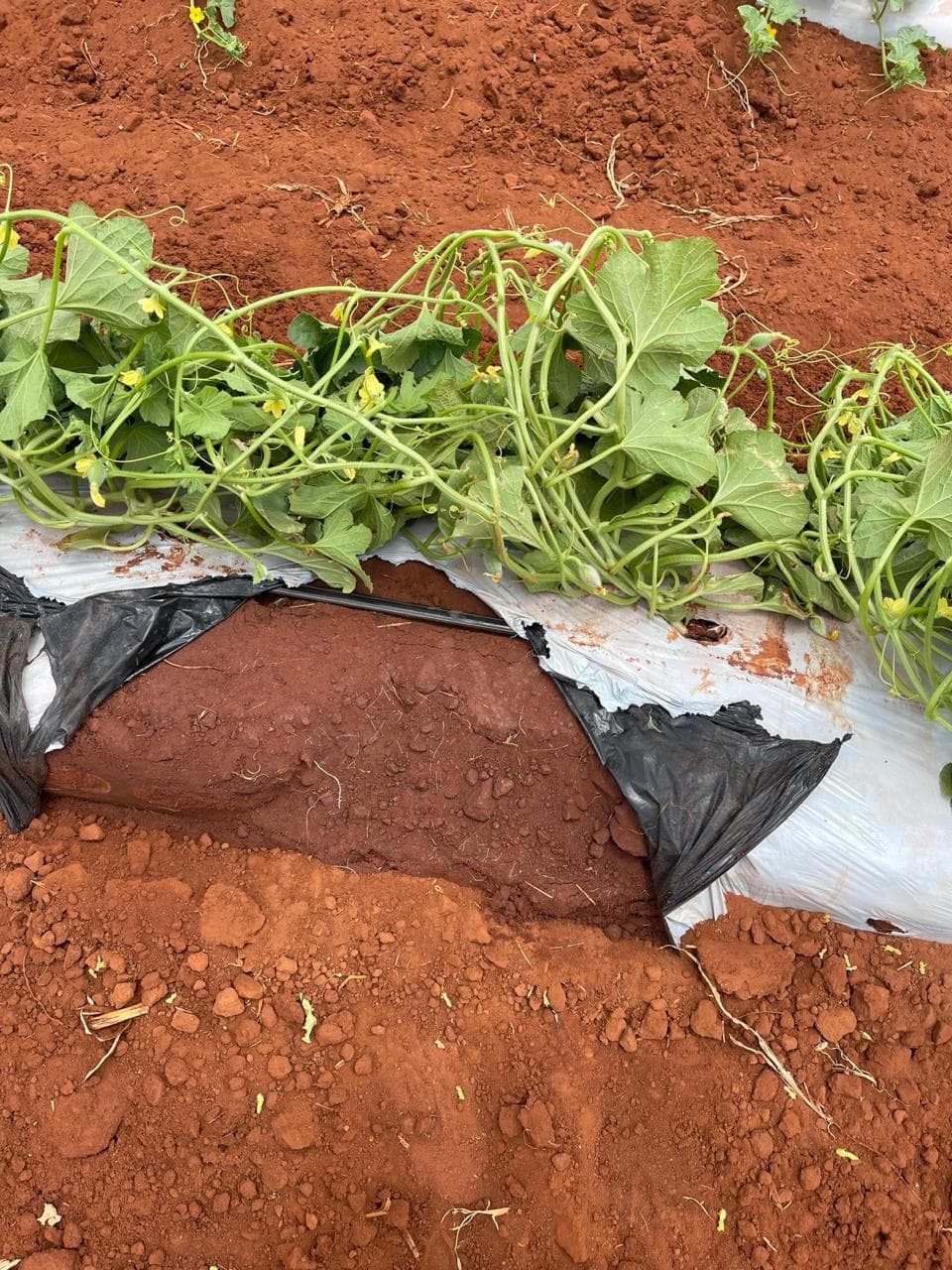
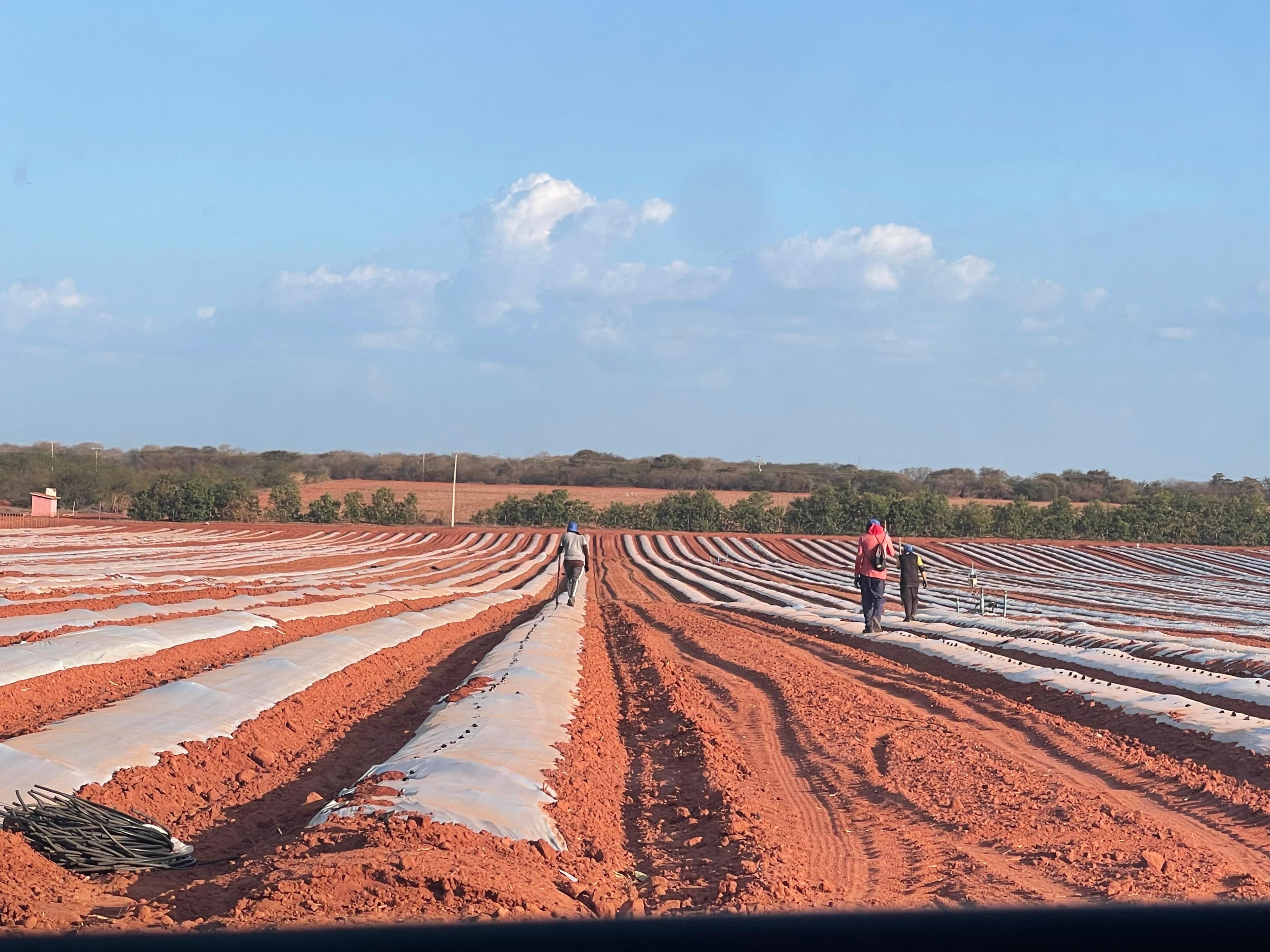
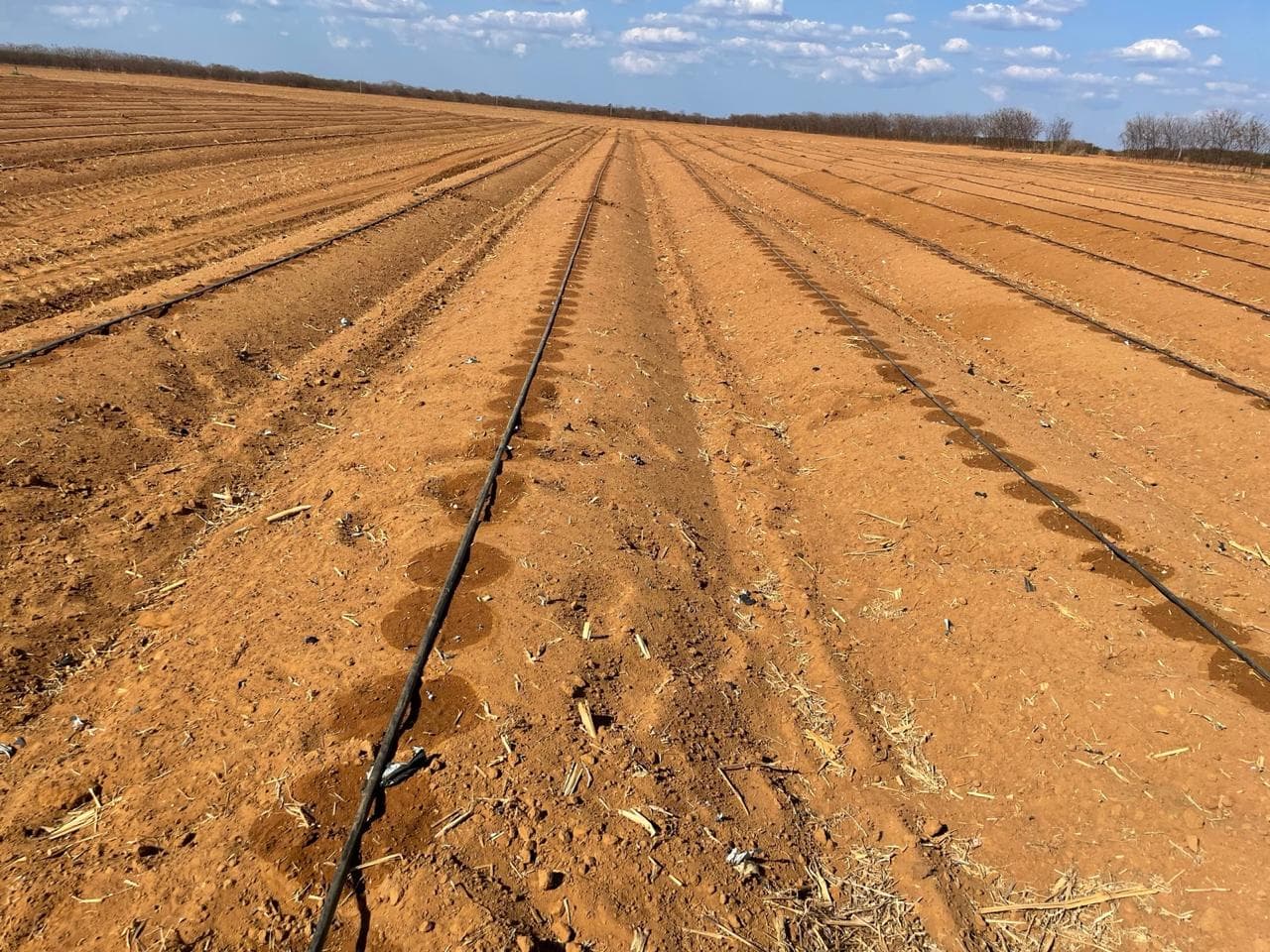
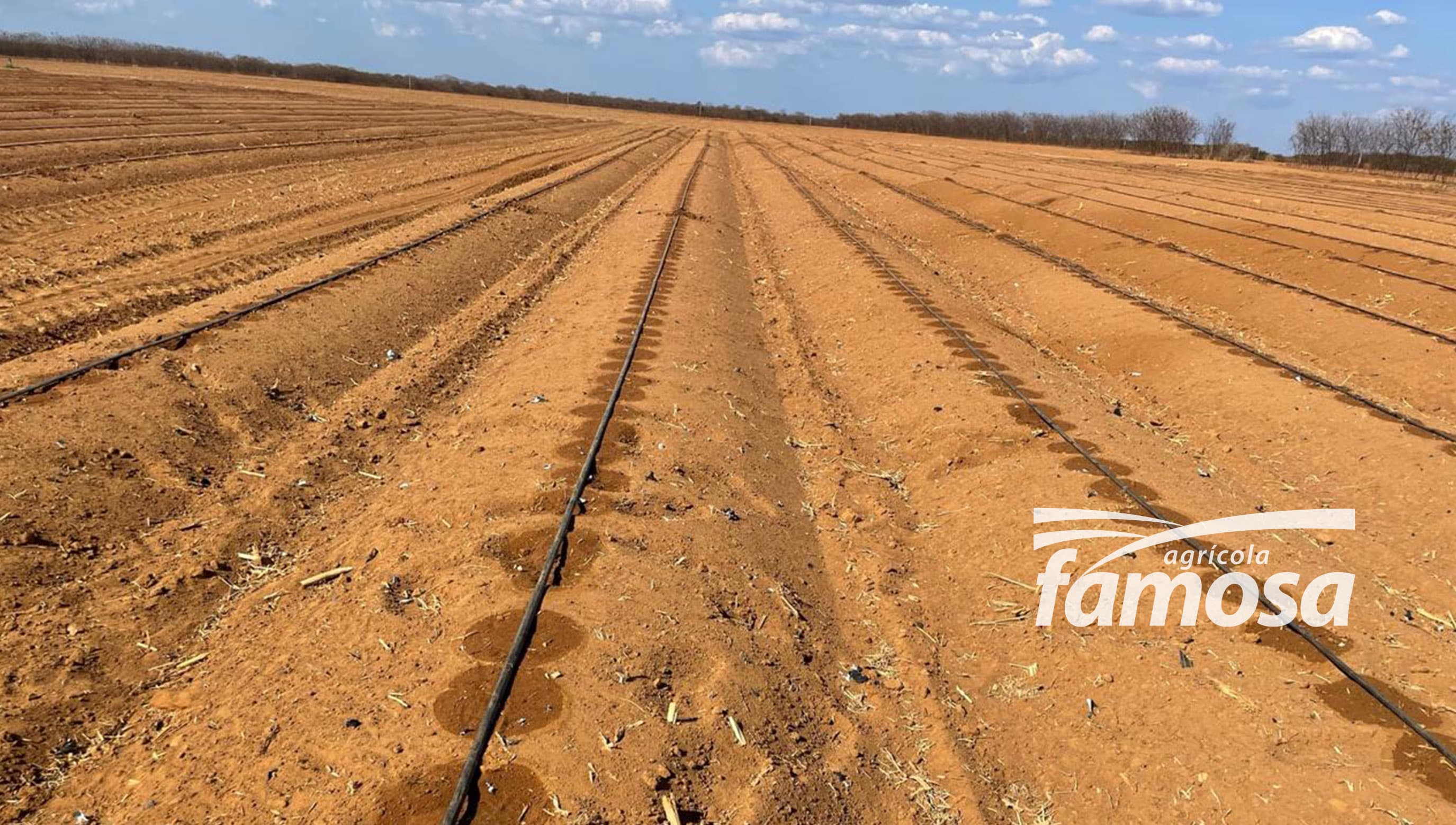
The predominant irrigation system at Agrícola Famosa is drip irrigation, chosen for its high efficiency in delivering water and nutrients directly to the root zone. Unlike conventional sprinkler or surface methods, drip irrigation eliminates losses from evaporation and percolation, ensuring that every liter of water applied serves its agronomic purpose.
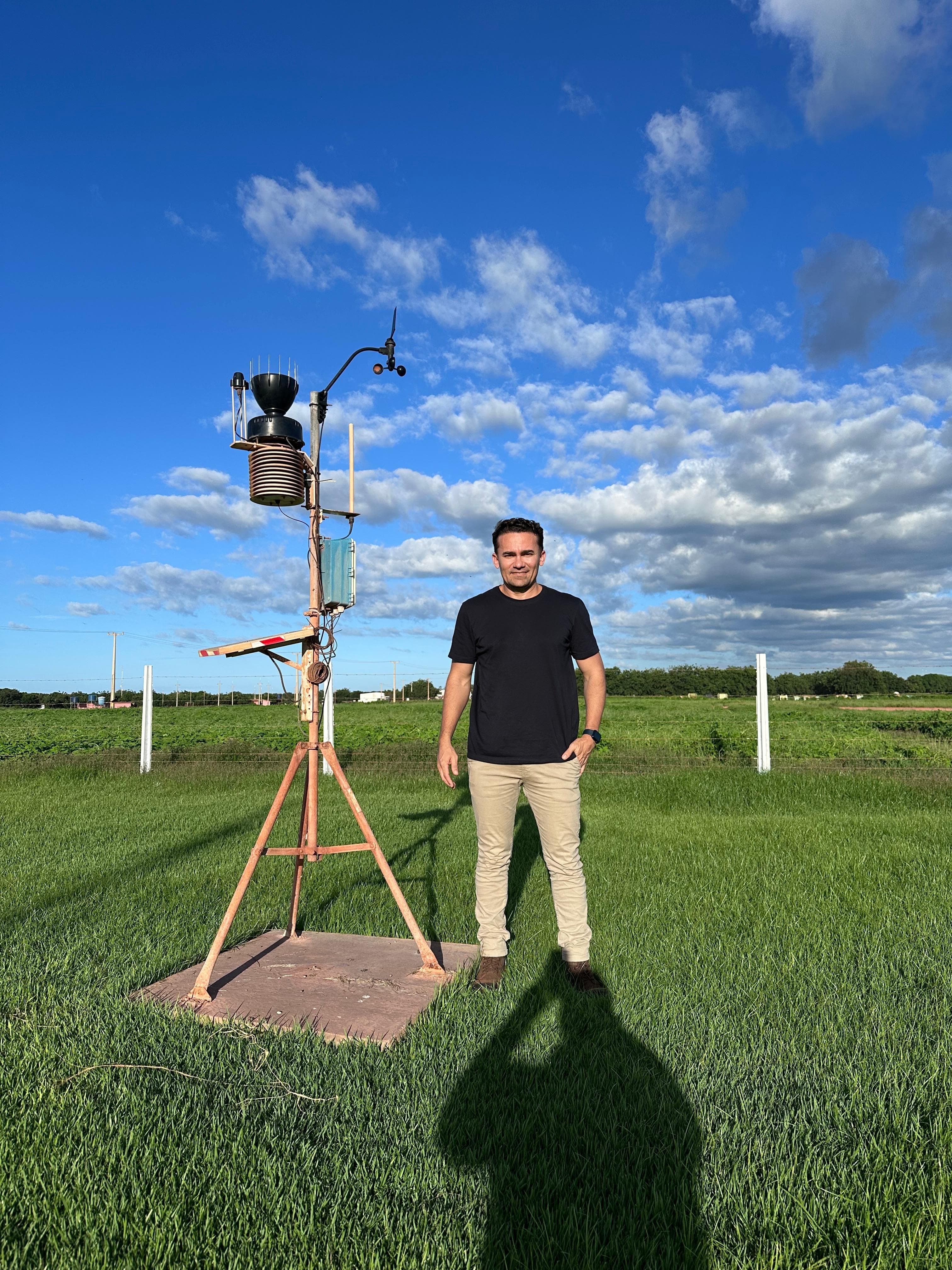
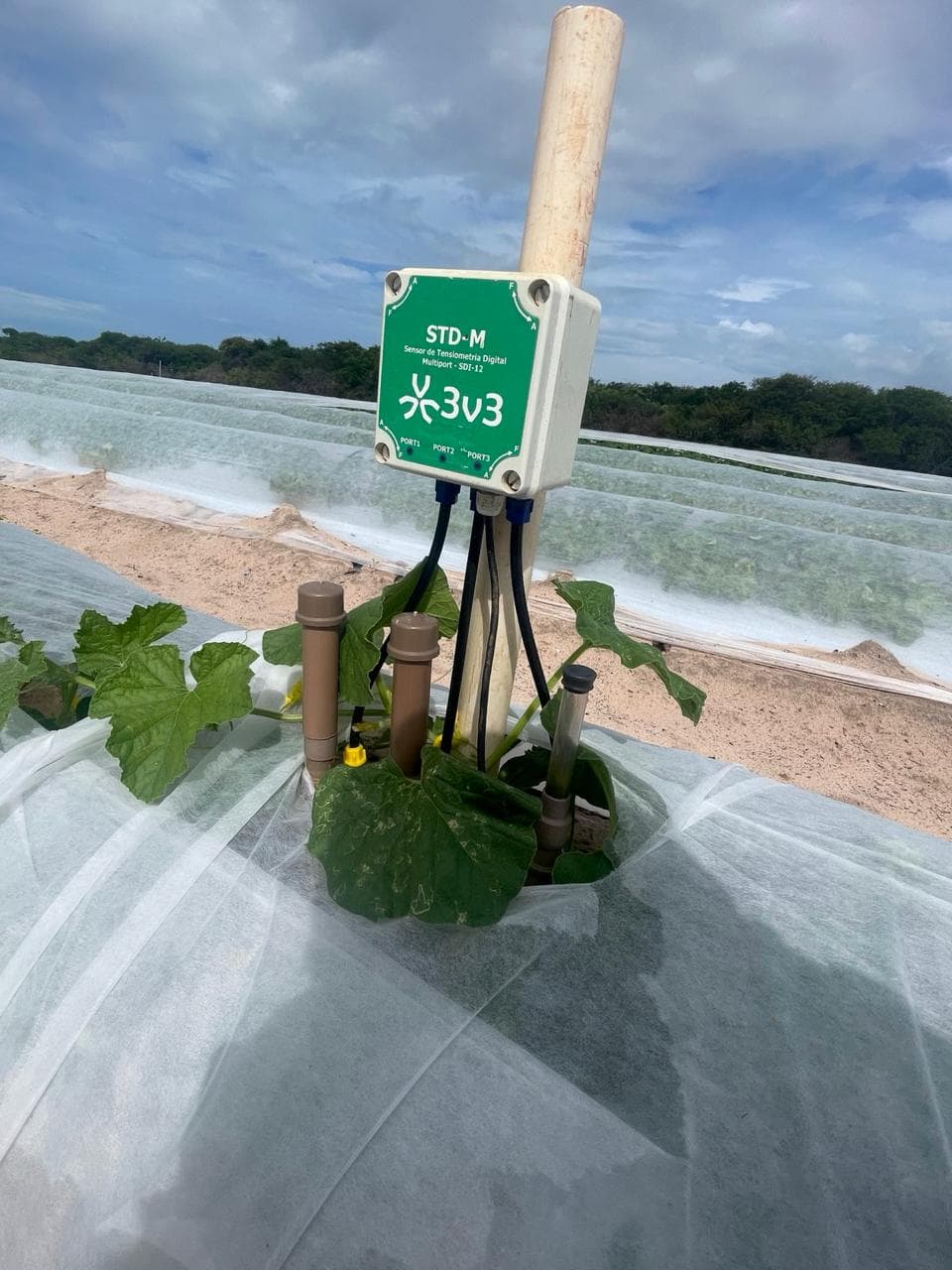
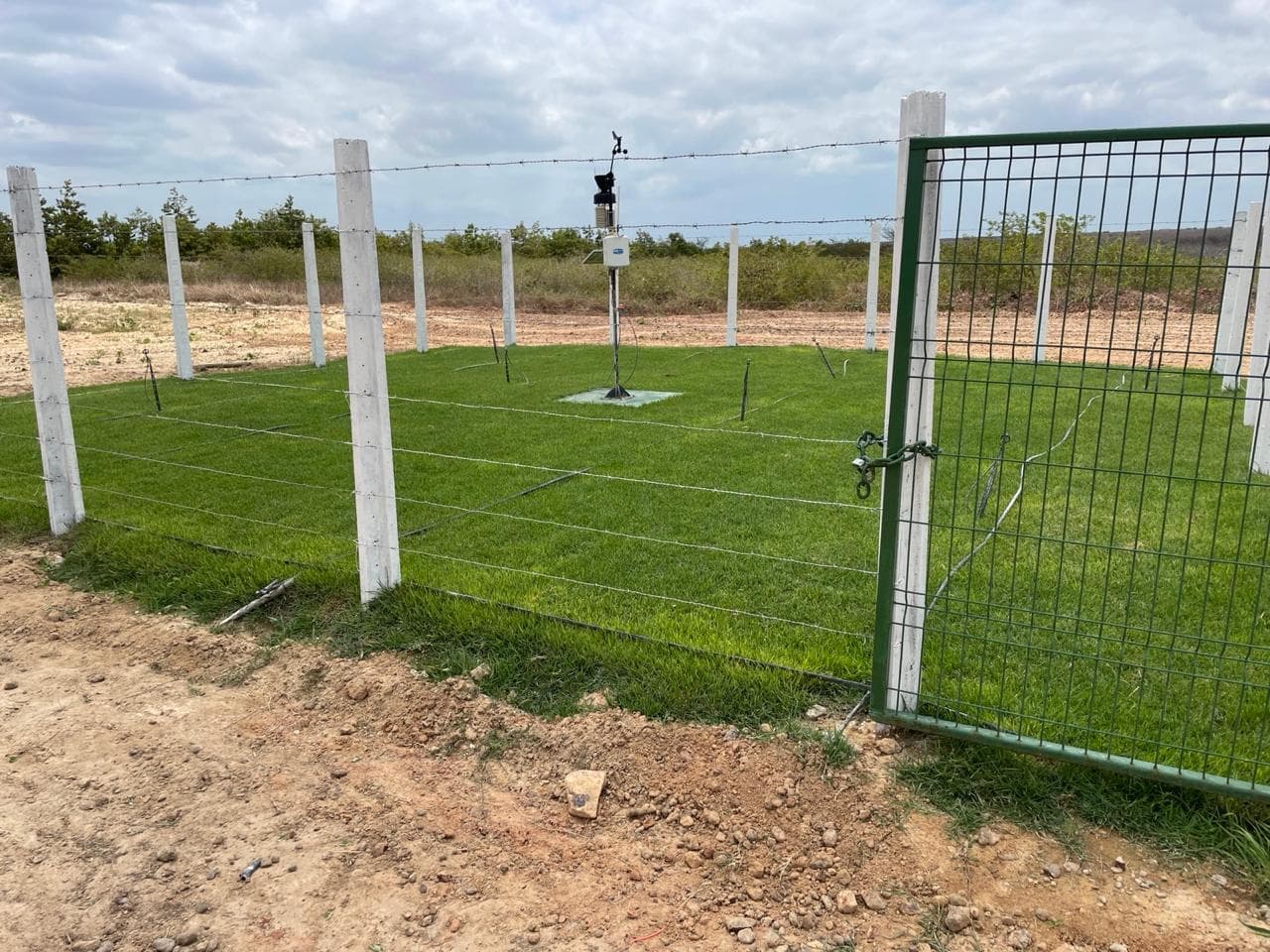
Integrated into this system, the company operates a field automation platform that controls valves and solenoids, monitors irrigated volumes via flow meters, collects real-time climate data through on-site weather stations, and processes soil moisture sensors. From this data, the system calculates the reference evapotranspiration (ET0) and defines daily irrigation depths with precision, eliminating subjectivity from manual management.
Automated fertigation completes this ecosystem: fertilizers are applied in the quantity and at the time defined by the technical team, directly through the irrigation system, simultaneously reducing water consumption and nutrient leaching losses.
━━━━━━━━━━━━━━━━━━━━━━━━━━
Planning that starts before irrigation
━━━━━━━━━━━━━━━━━━━━━━━━━━
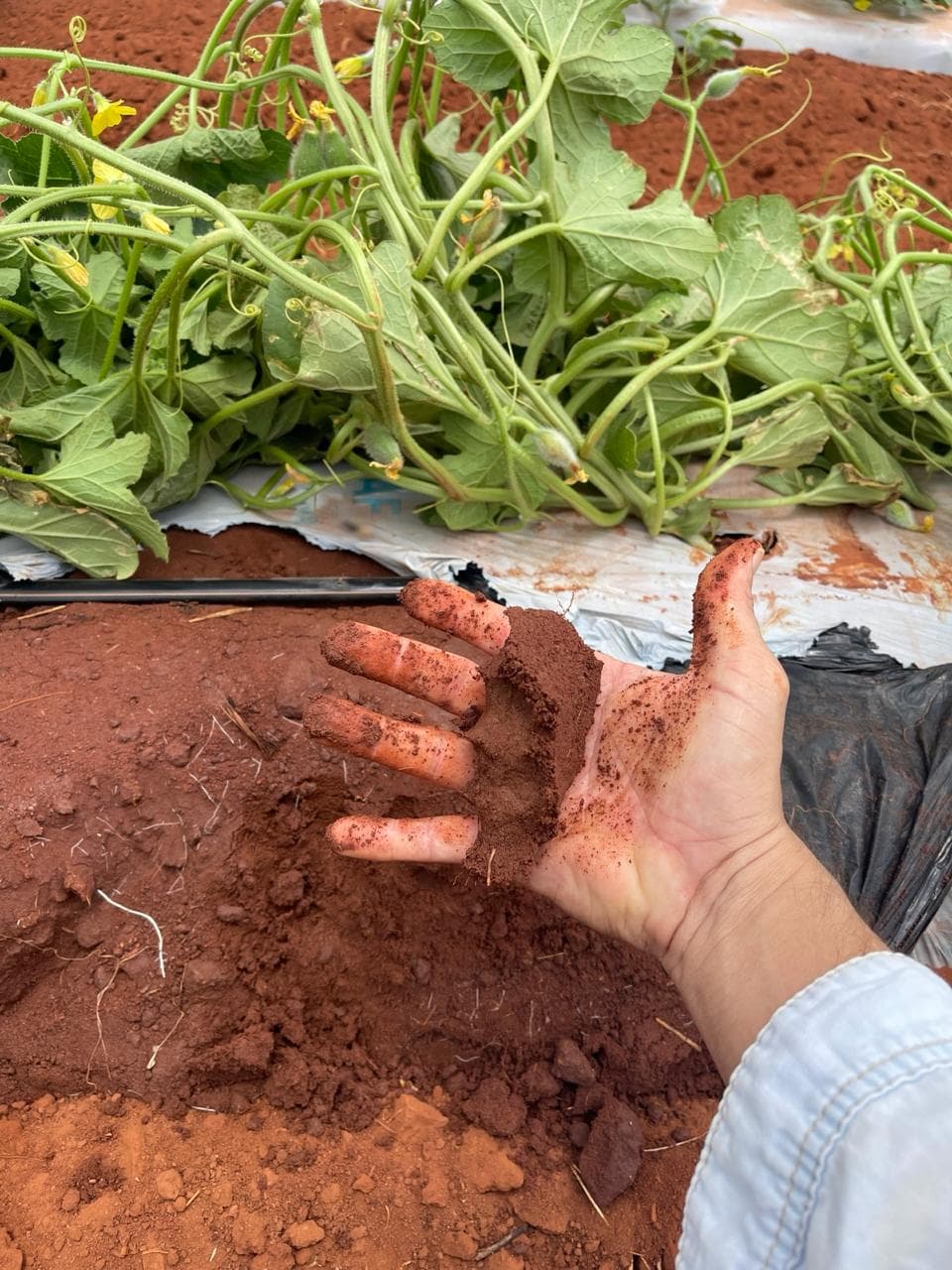
Irrigation depth planning considers a set of integrated variables: crop evapotranspiration (ETc), soil type and water retention capacity, the phenological stage of the plant, and the day's weather conditions. This data set allows for adjusted irrigation depths, avoiding both water deficit — which compromises fruit size, brix and firmness — and excess, which encourages soil fungal diseases and generates waste.
Continuous soil and climate monitoring is what makes this planning dynamic. By knowing the exact moment to irrigate and the correct depth to apply, the technical team can act with precision, reducing unnecessary interventions and improving the water balance of the crop throughout the entire cycle.
━━━━━━━━━━━━━━━━━━━━━━━━━━
Compliance that goes beyond the mandatory
━━━━━━━━━━━━━━━━━━━━━━━━━━
Agrícola Famosa's water operations strictly comply with current legislation, including water use permits in the states where it operates, as well as federal and state environmental regulations. But compliance does not stop at the legal minimum.
Every year, the company undergoes the GLOBALG.A.P. audit, which includes the Spring protocol — one of the most demanding certifications in the sector regarding responsible water management. This audit evaluates and requires detailed technical documentation on all water processes: climate data-based irrigation management, manual soil assessment, irrigated volumes per area, system evaluations, pump performance reports, and weather station records.
Consumption control is carried out through flow meters, operational records and integrated digital systems, ensuring complete traceability. Periodic audits, both internal and external, complete this cycle of compliance and continuous improvement.
━━━━━━━━━━━━━━━━━━━━━━━━━━
Operation integrated with the territory
━━━━━━━━━━━━━━━━━━━━━━━━━━
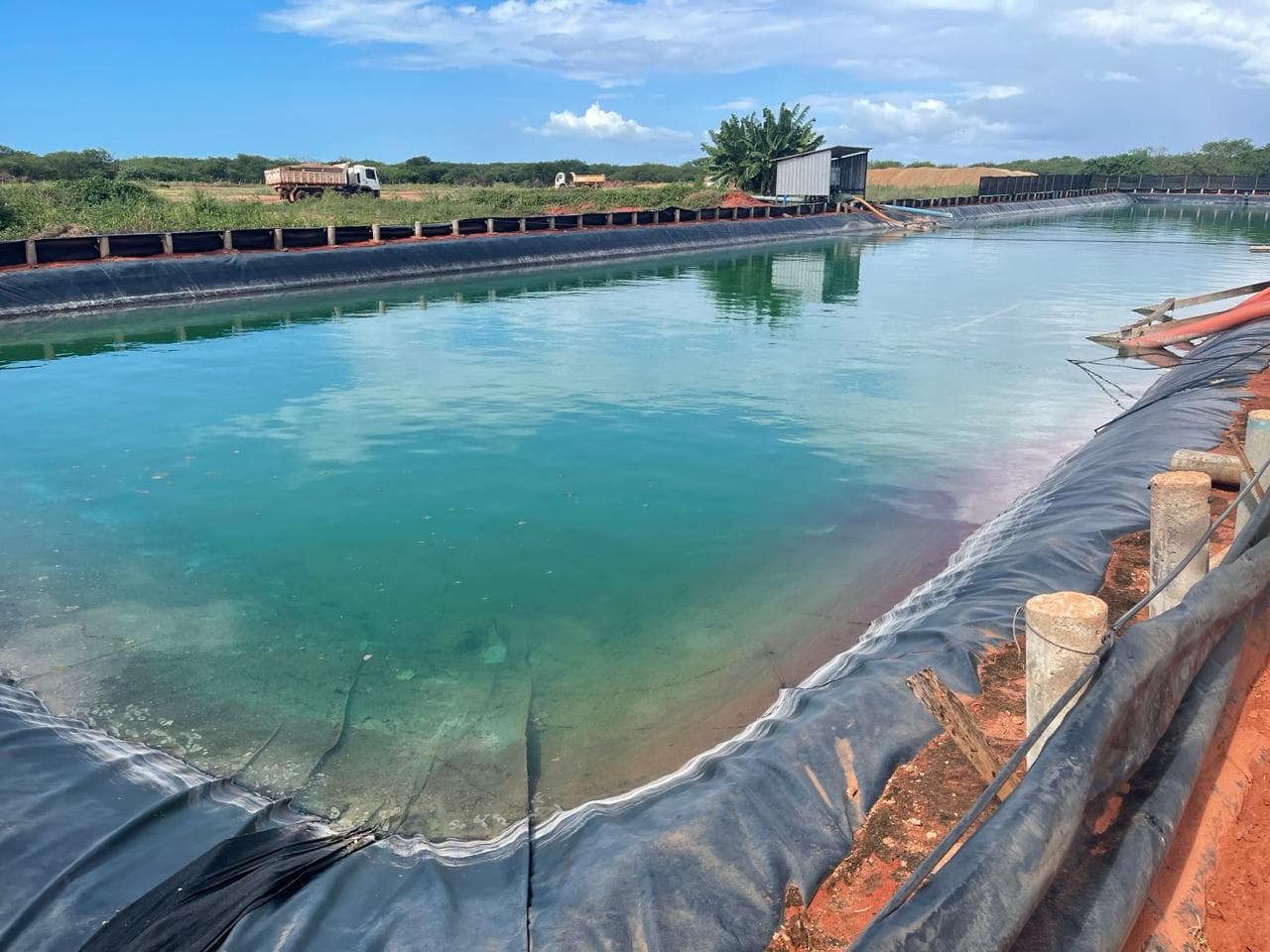
Famosa's water sources are predominantly underground, operated with strict permit controls and constant monitoring of aquifer levels and extraction flow rates. This monitoring ensures that operations do not compromise local water availability or adjacent ecosystems.
The company's commitment extends beyond the boundaries of the field. Agrícola Famosa is a member of river basin committees in the states where it has farms and actively participates in their regular meetings. In these forums, the company contributes to dialogue between users, public authorities and regulatory bodies, supporting the development of policies and guidelines aimed at sustainable water management at the regional level.
"Companies that depend on water to produce have the responsibility to contribute to its conservation beyond their own gates." Carlos Roberto Lopes Rocha — Irrigation Manager, Agrícola Famosa
━━━━━━━━━━━━━━━━━━━━━━━━━━
From irrigation to fruit quality
━━━━━━━━━━━━━━━━━━━━━━━━━━
Precise water management has a direct and measurable effect on the quality of the final product. Rigorous control of irrigation depth throughout the phenological stages influences fruit size, sugar content (brix), firmness and post-harvest shelf life — critical attributes for international retail.
There is a direct correlation between water efficiency and reduced production losses. Less water stress means more balanced plants, lower incidence of soil fungal diseases and greater uniformity in fruit development. The result is more predictable production, with less waste and greater reliability for distributors and retailers who depend on consistent volume and standards throughout the season.
━━━━━━━━━━━━━━━━━━━━━━━━━━
The next chapter in water management
━━━━━━━━━━━━━━━━━━━━━━━━━━
Agrícola Famosa is preparing for future challenges with investment in technology and strategic diversification. Artificial intelligence, advanced irrigation automation and next-generation sensors are on the horizon — as are genetic materials better adapted to semi-arid conditions and products that increase moisture retention in sandy soils, strategies that strengthen operational resilience in scenarios of greater water scarcity.
Responsible water management is not just an environmental obligation. It is part of the strategy that sustains product quality, global market competitiveness and Agrícola Famosa's ability to continue producing responsibly for many harvests to come.